Авторы и права: Рентгеновские лучи: НАСА/
Обсерватория Чандра/Центр астрофизики/
К.Ватсон
и др.; Оптика: Обзор PanSTARRS;
Обработка изображения: НАСА/
Обсерватория Чандра/
Смитсонианская астрофизическая обсерватория/Н.Волк и
П.Эдмондс
Текст: Сесилия Чиренти (НАСА, Центр космических полетов им.Годдарда, Университет Мэриленда, Центр исследований и разработок в космической науке и технологии)
Текст: Сесилия Чиренти (НАСА, Центр космических полетов им.Годдарда, Университет Мэриленда, Центр исследований и разработок в космической науке и технологии)
Перевод: Д.Ю.Цветков
Пояснение:
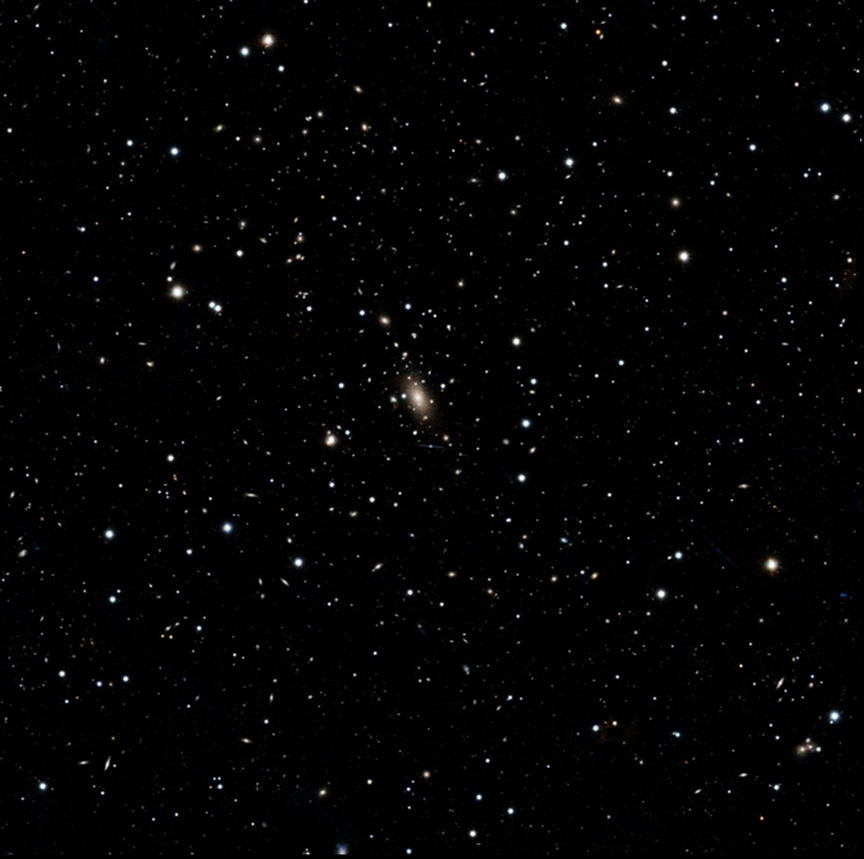
Эта большая красивая
спираль
светится в
рентгеновских лучах.
Она примерно в 20 раз больше нашей
Галактики.
Она находится в
скоплении галактик
Эйбелл 2029,
удаленном от нас на миллиард
световых лет.
(Чтобы увидеть только галактики, проведите курсором по картинке,
или перейдите по этой ссылке.)
Скопления галактик – самые
большие структуры
во Вселенной, существование которых
поддерживается гравитацией.
В скопление Эйбелл 2029 входят
тысячи галактик,
окруженных огромным облаком из горячего газа и
темной материей,
масса которой в сотни триллионов раз больше солнечной.
Спираль состоит из газа, в основном водорода и гелия, нагретых до десятков миллионов градусов.
Она была обнаружена при
исследовании,
использовавшим данные от
Рентгеновской обсерватории Чандра
НАСА. Было показано, что скопление Эйбелл 2029 столкнулось с меньшим скоплением четыре миллиарда лет назад.
Столкновение
повлияло на гравитационное поле и привело в колебаниям газа внутри скопления, подобным
движению вина в
бокале,
в результате сформировалась спираль.
1999 2000 2001 2002 2003 2004 2005 2006 2007 2008 2009 2010 2011 2012 2013 2014 2015 2016 2017 2018 2019 2020 2021 2022 2023 2024 2025 2026 |
Январь Февраль Март Апрель Май Июнь Июль Август Сентябрь Октябрь Ноябрь Декабрь |
NASA Web Site Statements, Warnings, and Disclaimers
NASA Official: Jay Norris. Specific rights apply.
A service of: LHEA at NASA / GSFC
& Michigan Tech. U.
|
Публикации с ключевыми словами:
Скопление галактик
Публикации со словами: Скопление галактик | |
См. также:
Все публикации на ту же тему >> | |